
.jpg?width=50&name=Shobana_Anpalagan_Profile%20(1).jpg)

Artificial intelligence is embedding itself into core human resources operations rather than...
The pressure on modern healthcare systems is higher than ever before. Hospital boards, health system executives, and clinical leadership face a compounding set of hurdles, from staffing shortages and soaring labor expenses to widespread clinician burnout.
Amid these structural pressures, workforce retention has changed from a routine administrative concern to a primary strategic risk. Addressing fundamental healthcare HR challenges demand solutionsres moving past surface-level fixes and focus on long-term system resilience across clinical and administrative units.
To build sustainable medical institutions, executive leadership must treat clinical workforce stability as a core business metric. Organizations seeking actionable strategies to address these workforce shifts can explore the executive discussions at the upcoming Healthcare HR Summit 2026, where industry leaders share practical frameworks on workforce model innovation and strategic leadership. Reviewing the complete event agenda provides a closer look at the key topics driving executive strategy this year.
The Hidden Cost of Staff Burnout in Clinical Environments
Staffing shortages do not happen in isolation. Heavy workloads, high physical strain, unpredictable shift scheduling, and relentless administrative friction contribute directly to systemic exhaustion across hospital units. When clinical staff experience chronic fatigue, the ripple effects touch every corner of the institution. Patient safety metrics drop, workflow efficiency slows, and voluntary turnover escalates rapidly.
Research shows that clinical environments face structural pressures that traditional workplace models cannot handle. You can read more about these patterns through Oracle's insights on healthcare HR challenges. High churn forces hospital systems into a perpetual recruitment cycle, driving up reliance on costly temporary staffing agencies and putting continuous strain on remaining full-time personnel.
To fix these structural gaps, forward-thinking executives are changing focus toward long-term employee well-being. True wellness in a clinical setting goes far beyond temporary perks, fitness allowances, or seasonal recognition programs. It requires addressing systemic friction points such as rigid scheduling practices, excessive administrative overhead, and fragmented communication between leadership and bedside care providers. When health systems remove daily hurdles, clinicians can dedicate their focus to patient care.
How Does Employee Well-Being Address Core Healthcare HR Challenges?
Investing in workforce stability yields direct financial and clinical benefits for health systems. Research consistently shows that high workforce engagement correlates directly with lower turnover, reduced reliance on contract labor, and improved clinical care outcomes.
Financial and Clinical Advantages
- Lower Recruitment Expenses: Retaining experienced clinical personnel cuts down on expensive recruitment, credentialing, and onboarding cycles, allowing capital to be reinvested into core clinical infrastructure.
- Improved Safety and Quality of Care: Teams experiencing lower fatigue report fewer clinical errors and maintain higher quality care standards across departments.
- Organizational Resilience: A stable internal workforce provides predictable scheduling, protects capacity, and lowers vulnerability to market disruptions.
- Stronger Financial Sustainability: Minimizing reliance on expensive travel nurses and agency labor directly stabilizes health system budget margins.
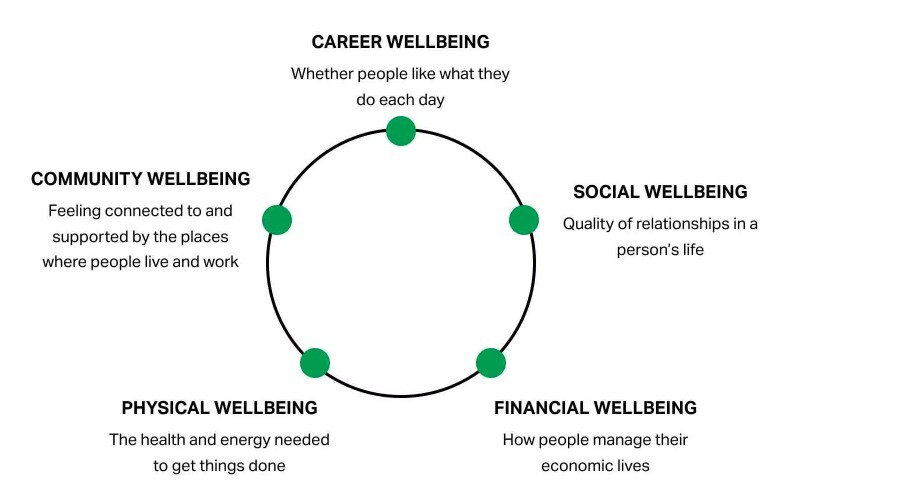
Image Source: Gallup’s 5 Essential Elements of Wellbeing
Understanding the broader impact of workforce health on institutional performance is critical for any long-term strategy. Data published by Gallup on the importance of employee well-being reinforces that supporting staff health directly influences workforce retention and bottom-line results. When leadership approaches staff stability as a strategic investment rather than a cost center, health systems create a strong foundation for long-term performance.
What Structural Innovations Create Sustainable Healthcare Workforce Models?
Fixing staff fatigue requires fundamental workforce redesign rather than temporary fixes. Leading healthcare institutions are adopting flexible workforce models that grant clinicians greater control over their schedules while maintaining consistent coverage across all service lines.
Modernizing Workflows and Shift Scheduling
Applying flexible scheduling models in clinical environments can be complex, but modern tools make it structured and scalable. Allowing care teams to participate in shift selection and swap requests reduces daily friction. It builds trust between management and frontline teams while ensuring essential units remain safely staffed. Self-directed scheduling options also reduce last-minute shift call-outs, creating predictability across hospital departments.
Streamlining Administrative Tasks
Administrative burden remains a primary source of frustration for clinical personnel. Insights detailed in this comprehensive analysis of managing human resources in healthcare challenges show how reducing repetitive paperwork allows care providers to spend more time on direct patient care, which directly improves job satisfaction and retention. Eliminating redundant data entry across systems restores valuable hours to care providers every week.
Integrating Intelligent Workflows
Automation and digital management tools can handle routine shift assignments, regulatory compliance checks, and documentation tasks. A study on healthcare systems and workforce management outlines how leveraging modern tools relieves daily strain on care teams, allowing organizations to focus resources on clinical excellence and patient care delivery.
Scaling Intelligent Workflows and Modern Engagement
Technology should serve as a practical enabler rather than an added administrative burden. As hospital systems expand digital tools, executive teams must ensure technology simplifies daily routines rather than adding complicated steps for clinical staff.
Reducing Digital Friction
Clinical documentation often consumes hours that care providers would prefer to spend with patients. Systems that use intuitive interfaces, automated entry, and simplified handoff procedures reduce screen time and mental fatigue. Lowering digital friction helps protect the focus of nurses, doctors, and allied health staff, directly lowering burnout rates across shifts.
Cultivating Authentic Workplace Connection
Even in highly automated health systems, human connection remains central to staff satisfaction. Regular feedback loops, peer recognition programs, and clear executive communication help staff feel valued, building a culture that supports them. When employees know their input shapes clinical workflows, engagement rises, and turnover drops significantly.
Building a Next Generation Talent Strategy
A successful workforce strategy must extend beyond immediate crisis management and short-term hiring drives. Executive teams must construct clear career pathways, comprehensive benefit programs, and transparent leadership structures that encourage healthcare professionals to build long-term careers within the organization.
Proactive Succession Planning
Developing clear leadership development paths within clinical teams ensures institutional knowledge remains inside the health system. Identifying emerging leaders early and providing tailored management training prepares clinical staff to step into management roles smoothly without disrupting unit performance.
Holistic Benefits Design and Total Rewards
Total compensation and benefits programs should reflect the actual needs of clinical staff. This includes mental health support, flexible time off policies, continuous educational grants, and competitive compensation packages. Tailoring benefits to current workforce demographics increases retention across all experience levels, from early career nurses to veteran physicians. Value education programs also ensure employees fully understand and utilize their available benefits.
Inclusive Culture and Employee Recognition
Building an inclusive workplace culture directly impacts staff morale and loyalty. Recognition programs that celebrate team accomplishments, paired with equity in professional growth opportunities, foster strong institutional commitment. When healthcare professionals feel heard, valued, and respected by executive leadership, retention rates improve across all departments.
Transparent Governance and Regulatory Strategy
Open communication channels between executive leadership and frontline staff build alignment and mutual trust. By maintaining clear safety protocols, ensuring fair shift distribution, and applying equitable policies, health systems help staff feel supported and protected. Aligning strategic mission goals with regulatory realities strengthens institutional culture.
Measuring the Impact of Workforce Well-Being
To evaluate the success of workforce initiatives, healthcare leadership must monitor key performance metrics over time. Tracking actionable data points helps executive teams adjust strategies, optimize resource allocation, and justify ongoing investments in workforce health.
- Voluntary Turnover Rates: Monitoring turnover across specific clinical units reveals where workplace stress is highest and enables targeted intervention before staffing crises occur.
- Agency Labor Usage: A steady decline in contract labor reliance indicates improving internal staff stability and effective cost control.
- Absenteeism and Unplanned Absences: Tracking unplanned absences helps identify units experiencing elevated burnout before voluntary resignations happen.
- Patient Experience and Quality Scores: Improved workforce stability consistently links to higher patient satisfaction, reduced readmission rates, and better clinical outcomes.
By embedding structural solutions into daily routines and measuring progress continuously, healthcare organizations can build a resilient workforce model that supports strategic goals and patient outcomes alike.
Join the Conversation
Looking to elevate your workforce strategy and explore cutting-edge solutions with industry peers? Enquire now for the Healthcare HR Summit 2026 to discover actionable insights, network with executive leadership, and drive sustainable organizational resilience.
Frequently Asked Questions
What are the primary healthcare HR challenges facing organizations today?
The primary challenges include high voluntary turnover, widespread clinician burnout, clinical staffing shortages, rising contract labor costs, and heavy administrative burdens placed on care providers.
How does focusing on employee well-being impact institutional performance?
Prioritizing staff stability lowers turnover costs, reduces reliance on expensive temporary agency staff, decreases clinical error risks, and improves overall patient satisfaction metrics.
Can flexible working models operate effectively in hospital settings?
Yes. By utilizing modern scheduling tools and flexible shift design, healthcare institutions can offer staff greater schedule flexibility while maintaining safe unit coverage and continuity of care.
How do modern software tools reduce burnout for medical personnel?
Automated tools reduce administrative burden by streamlining clinical documentation, shift management, and regulatory compliance tasks. This allows clinicians to spend more time delivering direct care to patients.
Why is workforce retention a top concern for health system executive leadership?
Retaining clinical personnel directly affects continuity of care, financial performance, and quality metrics. High turnover destabilizes unit culture and increases reliance on costly temp labor, making retention a core strategic priority for leadership.
What role does executive communication play in improving clinical workforce stability?
Transparent executive communication builds institutional trust and alignment. When clinical staff understand organizational strategy and feel heard by executive leadership, engagement rises, and turnover falls across departments.
How can health systems measure the return on investment for well-being programs?
Organizations can measure return on investment by tracking reductions in agency labor spending, lower voluntary turnover rates, decreased absenteeism, and improved patient satisfaction metrics over time.